
Article Title (H1)
Irritable Bowel Syndrome (IBS) and Bloating: Causes, Symptoms, and How to Support Digestive Health
Introduction
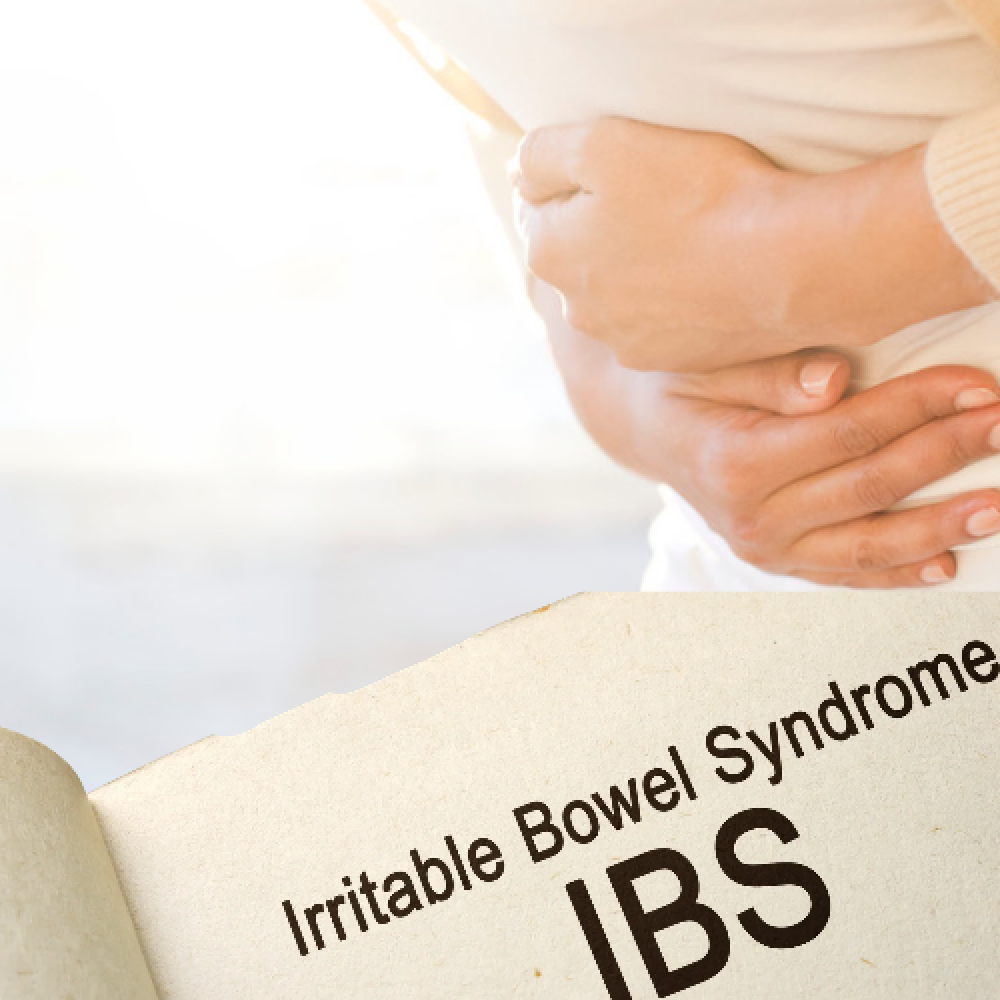
Many people suffer from irritable bowel syndrome (IBS) and its associated symptoms, such as bloating, gas, constipation, or diarrhea. These symptoms can significantly impact their quality of life. Research indicates a link between the gut microbiome and digestive health, and stress and anxiety can exacerbate IBS symptoms in some individuals.
In this article, we will explore the causes of IBS, its most prominent symptoms, and how to support digestive health through a healthy lifestyle and balanced diet.
H2: What is Irritable Bowel Syndrome (IBS)?
IBS is a common functional disorder of the digestive system that affects how the intestines function. Its symptoms can vary from person to person, even without any organic damage to the colon.
H2: Symptoms of IBS
The most common symptoms include:
Bloating.
Gas.
Abdominal pain or cramps.
Constipation, diarrhea, or alternating between the two.
A feeling of incomplete bowel movement.
H2: What Causes Bloating and Gas?
Gas and bloating may be linked to several factors, including:
Certain types of food.
Eating speed.
Digestive disorders.
Altered gut microbiome balance.
Irritable bowel syndrome (IBS).
H2: What is the relationship between the gut microbiome and IBS?
The digestive system contains trillions of microorganisms that make up the gut microbiome. Maintaining a balanced gut microbiome is believed to support digestive health, and research is ongoing to better understand its role in IBS symptoms.
H2: Probiotics and Fermented Foods
Some fermented foods, such as:
Kefir.
Kombucha.
Sauerkraut.
Kimchi.
contain beneficial bacteria (probiotics) and may be part of a balanced diet. However, people with IBS may respond differently to these foods, so it is advisable to introduce them gradually, monitor their effects, and consult a doctor if needed.
H2: Irritable Bowel Syndrome (IBS) and Reflux
Some people may experience gastroesophageal reflux disease (GERD) along with IBS, but they are separate conditions and may occur together in some patients. If symptoms are severe or persistent, it is important to have them evaluated by a doctor.
H2: Irritable Bowel Syndrome and Anxiety
The digestive system is connected to the brain via what is known as the gut-brain axis. Some people may notice an increase in IBS symptoms during periods of stress or anxiety, and improving stress management may help alleviate symptoms in some cases.
H2: How to Support Digestive Health
These habits can help support digestive health:
Gradually increase your fiber intake according to your body's tolerance.
Drink plenty of water.
Eat physical activity regularly.
Reduce stress and improve sleep quality.
Eat fermented foods in moderation if they are appropriate for you.
Consult your doctor if symptoms persist or new symptoms appear.
In conclusion, IBS is one of the most common digestive disorders and may be associated with bloating, gas, constipation, or diarrhea. Following a balanced diet, paying attention to the health of the gut microbiome, and managing stress can help support digestive health and improve quality of life for many people.